


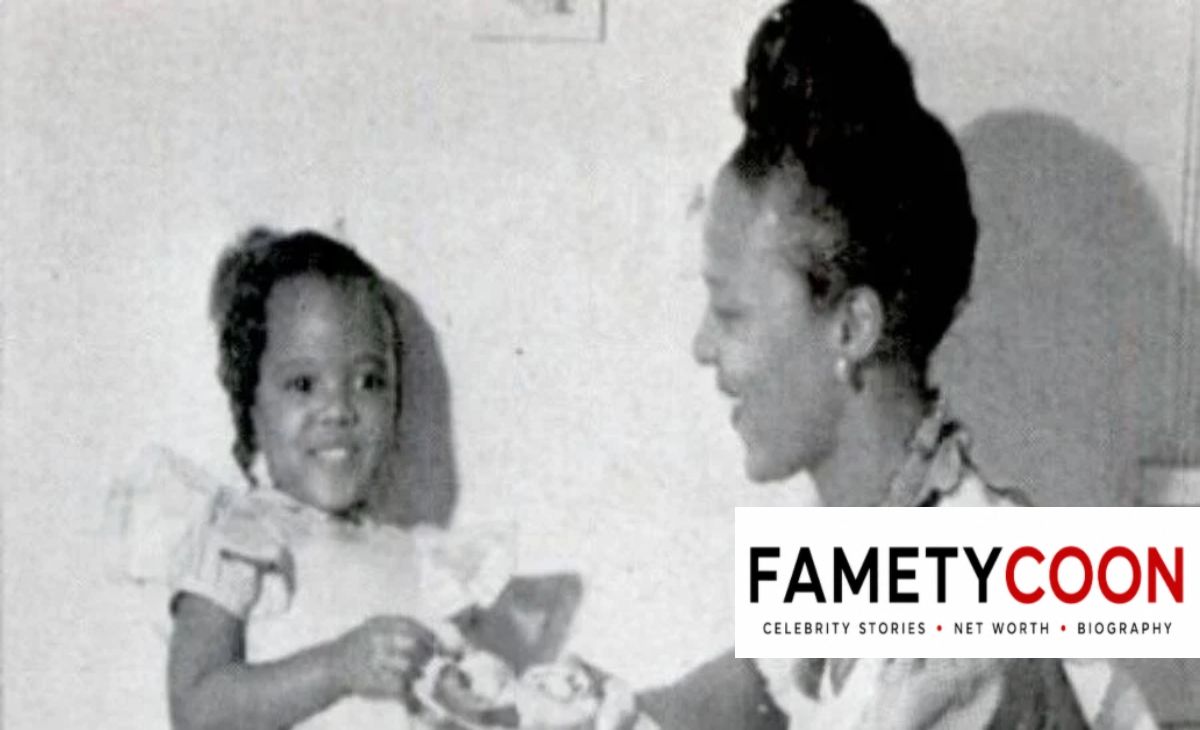
Harolyn Suzanne Nicholas was the only child of screen icon Dorothy Dandridge and celebrated tap dancer Harold Nicholas. Born into one of Hollywood’s most talented entertainment families, her life took a path far removed from the glamour surrounding her parents — shaped instead by a serious developmental disability linked to a birth injury.
Much of Harolyn’s life remained private. She never followed her parents into acting, singing, or dance, and instead required care for most of her years. Her story is deeply intertwined with Dorothy Dandridge’s personal struggles, financial hardship, and lifelong effort to secure proper support for her daughter.
This article covers what’s known about Harolyn’s early life, parents, birth, health, family, and later years — while being clear about which details remain uncertain even decades later.
Harolyn Suzanne Nicholas: Quick Facts
| Detail | Information |
| Full Name | Harolyn Suzanne Nicholas |
| Known For | Being Dorothy Dandridge’s only daughter |
| Date of Birth | September 2, 1943 |
| Birthplace | Los Angeles, California, United States |
| Nationality | American |
| Mother | Dorothy Dandridge |
| Father | Harold Nicholas |
| Mother’s Profession | Actress and singer |
| Father’s Profession | Tap dancer, member of the Nicholas Brothers |
| Aunt | Vivian Dandridge |
| Half-Brother | Melih C. Nicholas |
| Health | Lived with a serious developmental disability linked to a birth injury |
| Later Life | Reportedly received long-term institutional care |
| Reported Year of Death | 2003 |
| Reported Age at Death | About 59–60 years old |
| Cause of Death | Not reliably confirmed publicly |
Harolyn Suzanne Nicholas’s Early Life
She was born on September 2, 1943, in Los Angeles, less than a year after Dorothy Dandridge and she married on September 6, 1942. She was their first and only child together.
Dorothy was reportedly overjoyed by motherhood and saw Harolyn’s birth as something deeply meaningful. During her daughter’s first year, neither parent recognized signs of a serious problem — those signs became clearer only as Harolyn grew older.
By around age two, Dorothy grew concerned about her daughter’s development. Harolyn wasn’t speaking or developing at the same pace as other children her age, prompting Dorothy to seek answers and support.
Harolyn’s Parents
Harolyn’s mother, Dorothy Dandridge, became one of the most significant Black performers of her era. She’s best remembered for her lead role in the 1954 film Carmen Jones, a performance that made her the first Black woman nominated for the Academy Award for Best Actress — a milestone that helped break down barriers in an industry that offered her limited opportunities because of the racism of the time.
Harolyn’s father, Harold Nicholas, was equally accomplished. A gifted tap dancer, he performed alongside his older brother Fayard as one-half of the legendary Nicholas Brothers, celebrated for their explosive footwork and acrobatic dance routines.
Harolyn was born into a household defined by music, dance, and film — yet her own life followed an entirely different course, with her care needs becoming the central focus of her childhood while both parents navigated demanding careers.
Harolyn’s Birth and Developmental Injury
The circumstances of Harolyn’s birth have been recounted in several biographies. According to these accounts, Dorothy went into labor while Harold was away playing golf with the family car, forcing her to wait before eventually getting to the hospital with someone else’s help.
Dorothy was later told this delay may have contributed to Harolyn’s brain injury. One theory pointed to cerebral anoxia — a lack of oxygen to the brain around the time of birth. Another account suggested complications involving forceps during delivery may have caused the injury.
No single explanation has been publicly confirmed as the definitive cause. What is well established is that Harolyn experienced serious developmental challenges from an early age and required long-term care throughout her life.
When Dorothy First Noticed Something Was Wrong
Dorothy reportedly began noticing clear signs of trouble when Harolyn was around two, particularly her daughter’s lack of speech compared to other children her age.
Early on, one specialist reportedly suggested the delay might be linked to how often both parents traveled for work, theorizing that time away from her parents affected Harolyn’s development. Later medical opinions pointed to something far more serious: brain damage present from birth.
This diagnosis reshaped how Dorothy understood her daughter’s needs and made clear that Harolyn would likely require care for years to come — a realization that became a lasting personal burden as Dorothy searched for doctors, treatment, and support while managing her own rising career.
Harolyn’s Disability and Daily Life
Harolyn lived with a serious developmental disability that reportedly affected her speech, learning, and capacity to live independently. She needed consistent care rather than following any public path.
Some sources indicate her mental development remained comparable to that of a young child, though precise details about her abilities and daily life were never well documented, largely due to how privately she lived. Her condition kept her entirely removed from the entertainment world her parents were known for.
Much of what’s known about Harolyn today comes secondhand — through biographies of Dorothy Dandridge, family accounts, and later reporting — which is part of why details vary somewhat between sources.
Dorothy Dandridge’s Efforts to Care for Her Daughter
Dorothy spent years trying to secure proper care for Harolyn while building her career, at a time when resources for families of children with serious developmental disabilities were far more limited than today.
She reportedly carried significant guilt over her daughter’s condition, blaming herself for the delay in reaching the hospital during labor — even though the true cause of Harolyn’s injury was never definitively proven. Caring for Harolyn shaped how Dorothy spent both her time and money for years, even as she reached major career milestones.
Dorothy also reportedly lent her voice to causes connected to developmental disabilities, recording messages for the Joseph P. Kennedy Jr. Foundation, an organization focused on improving support and awareness for people with intellectual disabilities. As Dorothy later faced marital difficulties and severe financial strain, securing stable care for Harolyn only grew more difficult.
You May Also like this: Beckett Lansbury: Ally Sheedy’s Son and His Journey of Identity and Advocacy
Harolyn’s Relationship With Harold Nicholas
Reports suggest Harold Nicholas was not closely involved in Harolyn’s day-to-day care through much of her childhood, as his work frequently kept him in Europe while Dorothy remained focused on their daughter.
When Dorothy first raised concerns about Harolyn’s development, Harold was reportedly performing overseas, and some accounts suggest he didn’t respond with the same level of urgency Dorothy felt. He went on to spend extended periods in Paris. Biographical accounts state that Dorothy wrote to him about Harolyn’s condition, and that he eventually told her he intended to remain in Paris and that she shouldn’t expect continued financial support from him — details that come primarily from later biographical reporting and should be treated with some caution.
Dorothy and Harold eventually divorced. Harold went on to other relationships and had additional children, while Dorothy continued shouldering most of the responsibility for Harolyn’s care — adding further strain to an already difficult period.
Financial Struggles and the Cost of Harolyn’s Care
Caring for Harolyn came at significant financial cost, requiring years of payments for doctors and specialized support. Despite her fame, Dorothy’s success didn’t always translate into financial stability.
By the early 1960s, Dorothy was in serious financial trouble, reportedly declaring bankruptcy in 1963. Her second marriage, to nightclub owner Jack Denison, ended badly, and poor financial decisions made during that period reportedly compounded her difficulties.
At times, Dorothy struggled to afford Harolyn’s private care. One account indicates Harolyn was returned to Dorothy when care bills went unpaid; another suggests one of Harolyn’s aunts stepped in to help for a period while Dorothy searched for work. Eventually, Dorothy could no longer sustain the level of private care her daughter needed and reportedly placed her in a state institution where trained staff could provide long-term support — a difficult decision shaped by circumstances largely outside her control.
After Dorothy Dandridge’s Death
Dorothy Dandridge died on September 8, 1965, in West Hollywood at age 42, leaving Harolyn without the parent who had spent the most time securing her care and future. Later findings attributed her death to an overdose of antidepressant medication. She was survived by close family, including her sister, Vivian Dandridge.
Following Dorothy’s death, Harolyn remained out of public life, reportedly continuing to receive institutional care. Very little reliable information exists about her adult years, and she never became a public figure in her own right — a gap in the record that continues to fuel uncertainty about her later life.
Harolyn’s Later Years and Reported Death
The least documented part of Harolyn’s story is her later life. Few reliable records indicate where she lived, who cared for her, or what her daily life looked like after her mother’s death.
Public interest in Harolyn resurfaced when Halle Berry prepared to portray Dorothy Dandridge in the 1999 HBO film Introducing Dorothy Dandridge. Berry reportedly tried to locate Harolyn ahead of filming, hoping to learn more about Dandridge’s experience as a mother. She later said the institution where Harolyn had once lived had burned down, and that no one seemed to know where she’d gone afterward — a major reason so much about Harolyn’s final years remains unclear.
Online memorial records list Harolyn’s year of death as 2003, which would have made her about 59 or 60 years old. However, verified public records confirming her exact date of death, location, burial, or cause of death are difficult to find. Some sources incorrectly attribute her death to her birth-related brain injury, but there’s no strong public evidence connecting a decades-old developmental condition directly to her reported death — a claim that shouldn’t be treated as established fact.
Harolyn’s Family
Harolyn was Dorothy Dandridge’s only child, and the only child she had with Harold Nicholas. Through her father, however, she had half-siblings from his later relationships.
One reported half-brother, Melih C. Nicholas, was born in 1958; online family records indicate he later married Janice F. Stout and, notably, is also reported to have died in 2003. Harold Nicholas himself died in 2000 at age 79, remembered by then as one of the era’s finest tap dancers.
Harolyn was also connected to her aunt, Vivian Dandridge, an actress and singer who performed alongside Dorothy earlier in their lives. While family members played various roles in Harolyn’s life, many specifics about those relationships remain private.
Frequently Asked Questions
Who was Harolyn Suzanne Nicholas?
She was the only daughter of actress and singer Dorothy Dandridge and tap dancer Harold Nicholas, born in Los Angeles in 1943, and she lived with a serious developmental disability.
What caused Harolyn Suzanne Nicholas’s disability?
Reports point to possible oxygen deprivation during birth or complications involving forceps, but no cause was ever conclusively confirmed in public records.
Did Harolyn Suzanne Nicholas ever speak?
Some reports indicate her speech and development were significantly affected, though precise details about her communication abilities were never well documented.
Is Harolyn Suzanne Nicholas still alive?
Online memorial records list 2003 as her year of death, though verified public records are limited — making 2003 best described as her reported, not confirmed, year of death.
Did Harolyn Suzanne Nicholas have siblings?
She was Dorothy Dandridge’s only child, but had half-siblings through her father, including a reported half-brother, Melih C. Nicholas.
Bottom Line
Harolyn Suzanne Nicholas lived a life shaped far more by her care needs than by the fame surrounding her parents. Her story also reveals a lesser-known side of Dorothy Dandridge — one defined by devotion to her daughter amid the pressures of a groundbreaking career, racial barriers, financial hardship, and marital strain.
Even now, significant parts of Harolyn’s later life remain unclear. Her reported 2003 death appears in online records, but solid public confirmation is limited, which is why it’s best to separate what’s documented from what remains speculation.
